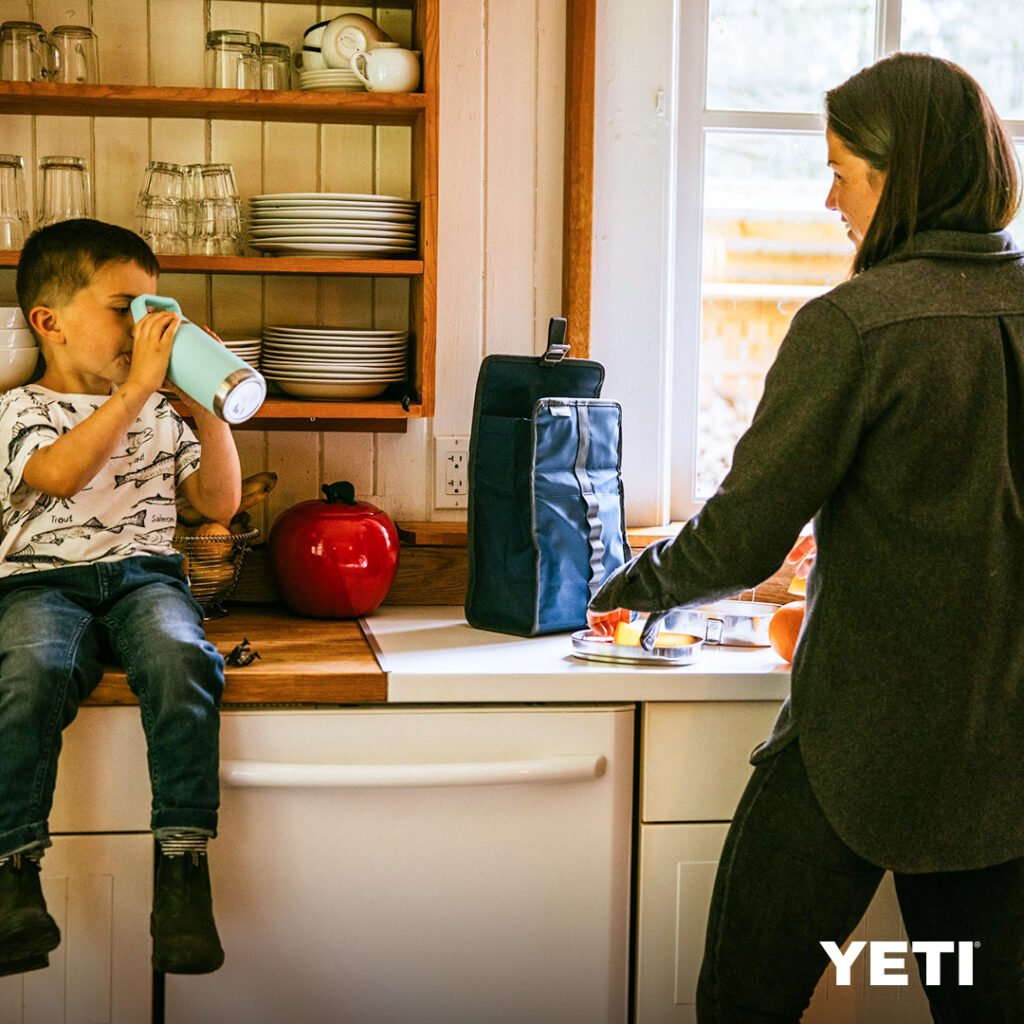
Hey there, grab a comfy seat and let's chat. I’ve been thinking a lot lately about how we relate to food – not just what we eat, but how we eat, and more importantly, why we eat. It’s a pretty big topic, I know, but it’s something that touches so many parts of our lives. For me, food has become such a beautiful path to self-care, mindfulness, and just… pure joy.
Remember those days when cooking felt like another chore on an endless to-do list? Or when you’d finish a meal and immediately start calculating calories, feeling that familiar pang of guilt? Yeah, I do too. And honestly, it took me a long time to break free from that cycle. But I’m here to tell you, it's absolutely possible. And it begins, surprisingly, with the simple act of cooking for yourself.
It’s not about becoming a gourmet chef or adhering to some strict eating plan. It’s about rediscovering the gentle rhythm of preparing nourishment for your body, mind, and soul. It’s about taking back control, not in a rigid, restrictive way, but in an empowering, loving way.
Reclaiming the Kitchen: More Than Just Meals
For too long, I saw my kitchen as a battleground of “shoulds” and “shouldn’ts.” It was a place of quick fixes, takeout menus, and a constant internal monologue about what I “ought” to be eating. But slowly, little by little, I started to change that narrative.
Now, my kitchen feels like a sanctuary. A place where I can experiment, get a little messy, and connect with myself. It's truly become a space for creativity and peace.
Finding Your Rhythm
Think about it: when you step into your kitchen with the intention of cooking for yourself, you're not just making food. You're carving out a precious moment for yourself. You're deciding what you want to put into your body, how you want it to taste, and how it will make you feel.
This isn't about lengthy, complicated recipes. It’s about a mindful approach. It could be as simple as gently steaming some vibrant green broccoli, the crisp, fresh aroma filling the air, or whisking up a creamy, comforting bowl of oatmeal on a chilly morning. Each small act becomes a ritual, a quiet conversation with your ingredients.
Setting the Scene for Nourishment
Sometimes, just a few small changes can transform the whole experience. Maybe it's putting on some music that makes you smile, or lighting a candle, or even just clearing away the clutter on your counter before you begin. These aren't just superficial acts; they’re signals to your brain that this time is different, this time is special. You’re inviting calm and intention into your space.
The Mindful Movement: Cooking as Meditation
This is where the magic really starts to happen. When we cook for ourselves with intention, it becomes a beautiful form of mindfulness. It pulls us out of our busy heads and into the present moment.
Engaging Your Senses
Think about the sensory journey of cooking. The cool, firm weight of a ripe avocado in your hand. The earthy fragrance of fresh ginger as you grate it. The gentle sizzle of onions caramelizing in a pan, turning golden and sweet. The vivid colors of bell peppers, red, yellow, and orange, waiting to be chopped.
These aren't just details; they’re anchors to the present. They ground us, reminding us to slow down and truly experience what we're doing. It’s a gentle dance, a sensory symphony that can be deeply calming.
Connecting with Your Ingredients
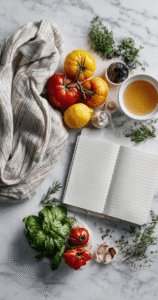
I’ve found that when I truly pay attention to my ingredients, I feel a deeper connection to the food itself. Where did this tomato come from? How can I best honor its natural flavor? It’s a shift from seeing food as just fuel to seeing it as a precious gift.
This mindful connection helps us appreciate the nourishment we’re preparing. It fosters gratitude, not just for the food itself, but for the act of being able to prepare it, to care for ourselves in such a fundamental way.
Beyond the Plate: Nourishing Your Whole Self
Cooking for yourself isn’t just about the meal itself; it’s a ripple effect that touches so many other aspects of your life. It’s a profound act of self-care.
Listening to Your Body’s Cues
When you’re cooking for yourself, you have the opportunity to truly tune into what your body needs. Do you crave something warm and comforting today? Or something light and refreshing? This is about honoring your intuition, not ignoring it.
This practice of listening is a powerful tool for developing a healthy relationship with food. It moves us away from external rules and towards an internal understanding of our own unique needs. It’s about feeling good, energized, and satisfied, rather than just full or deprived.
Releasing the Guilt Cycle
Oh, that guilt. It’s a heavy burden, isn’t it? The endless internal monologue about “good” and “bad” foods, the calorie counting, the shame after enjoying something delicious. Cooking for yourself, mindfully and with self-compassion, is one of the most effective ways to break free from this cycle.
When you prepare your own food, you're in control. You choose the ingredients, the portions, the flavors. There’s no need for judgment or shame because you’ve created something that is nourishing and satisfying, made with care and intention. It’s about giving yourself permission to enjoy food, to savor every bite, and to trust your own body.
Simple Pleasures and Meaningful Moments
Cooking doesn't have to be a grand production. Sometimes, the most meaningful moments come from the simplest acts.
Rediscovering Everyday Joys
Think about the joy of a perfectly ripe avocado, mashed with a squeeze of lime and a sprinkle of chili flakes, spread over a piece of crusty bread. Or the satisfaction of a vibrant green salad, tossed with a homemade vinaigrette. These don't require complex techniques or exotic ingredients. They just require presence and appreciation.
These simple moments, when truly savored, can elevate our day. They remind us that joy can be found in the mundane, and that taking care of ourselves doesn't need to be complicated.
Sharing the Love (or Not!)
Sometimes, the joy of cooking for yourself extends to sharing it with others. Perhaps you prepare a meal that becomes a new family tradition, passed down through generations. Or maybe you simply share a comforting bowl of soup with a friend. These acts of culinary generosity build connections and create lasting memories.
But it’s also okay to keep the joy all to yourself sometimes. This is for you, after all. It’s your space, your food, your moment of peace. There’s no pressure to perform or to always host. It’s about what feels right for you.
Cultivating a Life of Purpose and Gratitude
Ultimately, the act of cooking for yourself is so much more than just putting food on the table. It’s a powerful tool for cultivating a life that feels more intentional, more connected, and more joyful.
Practicing Gratitude
As you chop, stir, and simmer, take a moment to be grateful. Grateful for the food itself, for the hands that harvested it, for the warmth of your kitchen, for the ability to nourish your body. This simple act of gratitude can shift your perspective, making you more aware of the abundance in your life.
It's a beautiful practice, really. It transforms a mundane task into a moment of deep appreciation. And when we approach our meals with gratitude, they just taste better, don't they?
Embracing Imperfection
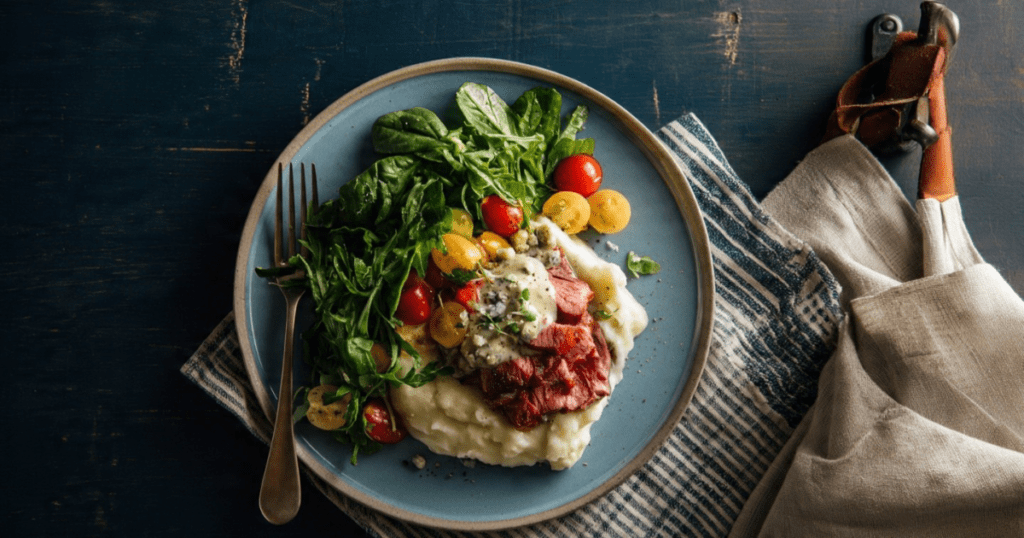
Let's be real: not every meal will be a masterpiece. Sometimes things burn, or taste a little off, or don't turn out quite like the picture. And that's perfectly okay. This isn't about striving for culinary perfection; it's about the journey, the process, the intention.
Embrace the mishaps as learning opportunities. Laugh them off. Give yourself grace. The goal isn't to be a perfect cook; it's to enjoy the process, to nourish yourself, and to build a peaceful relationship with food. It’s always progress, never perfection.
So, next time you step into your kitchen, remember this conversation. Take a deep breath. Feel the ingredients in your hands. Listen to the gentle sounds. Allow yourself the joy of cooking for yourself, not as a chore, but as an act of profound self-love and care. It’s a delicious journey, my friend, and I’m so glad we could share it.