Oh, hey there! Come on in, grab a mug. I just brewed a fresh pot, and honestly, this conversation over coffee is just what I needed. We've been talking about food lately, haven't we? Not just the what-to-eats, but the why behind them, the feelings they stir up, and how they weave into the tapestry of our lives.
It’s funny how something as essential as eating can sometimes feel so… complicated. We’re bombarded with messages, aren’t we? What to eat, what not to eat, how to look, how to feel. It’s enough to make anyone feel a little overwhelmed. But what if we reframed it? What if we saw our meals not as a chore or a battleground, but as an opportunity? An opportunity for joy, for connection, for a little breathing room in our busy days.
That’s what I want to chat about today, over these warm mugs and maybe a cookie or two! It’s about finding those pockets of delight in our everyday meals, and how that can ripple out into so much more. It’s not about being a gourmet chef or having a perfectly curated Instagram feed. It's about finding what truly nourishes us, inside and out.
Embracing the Art of Everyday Nourishment
Let’s be honest, life is messy. And our meals often reflect that! Some days it’s a carefully planned feast, and other days it's a hurried grab-and-go. And that’s perfectly okay. We are not striving for perfection; we are striving for presence.
We all have those days where the thought of cooking feels like climbing Mount Everest. I get it! But even on those days, there’s a way to infuse a little more joy. It’s about shifting our perspective, about seeing the act of feeding ourselves and our loved ones as an act of love.
Finding the Joy in Simplicity
This is where the magic really happens, you know? It doesn't have to be complicated. Think about the simplest of meals, the ones that feel like a warm hug.
The Power of a “Good Enough” Meal
Stop and think for a moment. What’s a meal that you enjoyed recently that wasn't a culinary masterpiece? Maybe it was a perfectly ripe tomato in a simple salad, or a warm bowl of soup on a chilly evening. Those little moments of “good enough” are often the most delicious.
We often get caught up in the idea that meals have to be elaborate to be enjoyable. But so often, it’s the freshest ingredients, prepared with minimal fuss, that truly shine. A drizzle of good olive oil, a sprinkle of sea salt, a crack of black pepper. That’s often all it takes.
Reclaiming Your Kitchen as a Sanctuary
Your kitchen doesn't need to be a sterile, intimidating space. It can be a place of creativity, warmth, and yes, even messiness! Don’t let the fear of a little flour on the counter stop you from making something delicious.
Think about it – the sounds of chopping, the sizzle of ingredients, the rise of dough. These are all sensory experiences that can be incredibly grounding and enjoyable. Invite those sensations in!
Letting Go of the Guilt Monster
Ah, the guilt monster. We've all met him, haven't we? He whispers in our ear about what we should be eating, or what we shouldn't have eaten. It's time to tell him to pack his bags.
Food is meant to be enjoyed, not a source of anxiety. When we approach our meals with guilt, we rob ourselves of the pleasure and the nourishment.
Food Freedom: Your Birthright
This is so important, I’m going to say it again: delicious food is for everyone, all the time. There's no “good” food or “bad” food, only foods that make our bodies feel fantastic and foods that, well, maybe not so much. But even then, it’s about the overall pattern, not a single meal.
When you give yourself permission to eat what you truly desire, without judgment, something amazing happens. The cravings often lessen, and you find yourself naturally drawn to a wider variety of foods that truly satisfy you. It’s a liberating feeling.
Listening to Your Body’s Wisdom
Your body is so incredibly smart. It sends us signals all the time about what it needs. Are you hungry? Are you full? Are you craving something specific? Learning to tune into those signals is a superpower.
Mindful eating is all about paying attention. It’s about noticing the textures, the flavors, the aromas. It’s about chewing slowly and savoring each bite. When we do this, we not only enjoy our food more, but we also get better at recognizing our body’s true hunger and fullness cues.
Cultivating Mindfulness at the Table
Mindfulness isn’t just for yoga retreats or meditation cushions. It can, and should, be a part of our everyday meals. It’s about bringing our attention to the present moment, and in doing so, transforming the ordinary into something extraordinary.
Think about the last time you truly tasted your food. Not just shoveled it in while scrolling on your phone or thinking about your to-do list, but actually tasted it. The subtle sweetness of a roasted carrot, the creamy richness of avocado, the satisfying chew of crusty bread.
The Transformative Power of the Present Moment
When we’re truly present at mealtime, we create a pause in our day. A moment to simply be and to nourish ourselves. This is a radical act of self-care in our often-rushed lives.
It’s easy to let our minds wander, to replay conversations from earlier or anticipate what’s next. But at the table, we have this beautiful gift of being able to bring ourselves back, time and time again.

Setting the Scene for Serenity
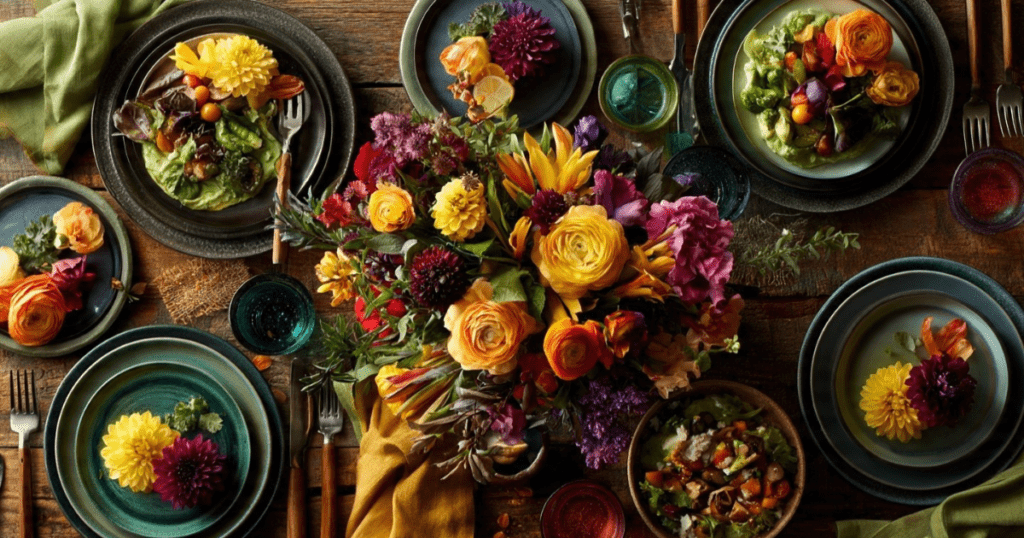
You don’t need a fancy tablecloth to create a mindful meal. It can be as simple as clearing away clutter from your eating space, lighting a candle, or putting on some calming music. Whatever helps you create a more peaceful atmosphere.
Even a few deep breaths before you take your first bite can make a world of difference. It's like a mini-reset, preparing you to truly engage with your food.
Engaging All Your Senses
This is where the FUN comes in! Food is a multisensory experience. Let’s tap into that!
- Sight: Notice the colors on your plate. Are they vibrant? Are they earthy? The visual appeal of food can be a wonderful starting point for enjoyment.
- Smell: Take a moment to inhale the aromas. That warm, savory smell of dinner cooking, or the fresh scent of fruit. Our sense of smell is so closely linked to our memories and emotions.
- Touch: Feel the texture of your food. Is it smooth, crunchy, chewy, soft? This tactile experience adds another layer of richness.
- Taste: This is the obvious one! Savor the different flavors. The sweet, the salty, the sour, the bitter, the umami. Can you identify them?
- Sound: Listen to the sounds of your meal. The gentle clinking of cutlery, the satisfying crunch of a salad.
When you engage all your senses, you create a much richer and more satisfying experience. It’s like upgrading from a black-and-white movie to glorious technicolor!
Weaving in Gratitude and Connection
Food is so much more than just fuel. It’s a way we connect with ourselves, our loved ones, and the world around us. Bringing gratitude and connection into our meals can elevate them from mundane to meaningful.
Think about where your food comes from. The farmers who grew the vegetables, the animals who provided the nutrients, the hands that prepared it. When we acknowledge this lineage, we cultivate a sense of deep appreciation.
The Ripple Effect of Thankfulness
Gratitude is a powerful emotion. When we express it around our meals, it not only benefits us but also those we share it with. It creates a positive and uplifting atmosphere.
Simple Ways to Express Gratitude
- A moment of silence: Before you dig in, take a few seconds to simply acknowledge what you’re grateful for related to the meal.
- Verbal appreciation: A simple “thank you for this meal” can go a long way. You can direct it to the cook, or to the universe, whatever feels right for you.
- Acknowledgement of origins: Briefly think about the journey the food took to get to your plate.
This isn't about being overly spiritual or performative; it's about a genuine recognition of the abundance and effort that goes into our food.
Building Bridges Through Shared Meals
There’s something incredibly special about sharing a meal with others. It’s a time for conversation, for laughter, for shared experiences. These moments are the building blocks of strong relationships.
Family Traditions: The Heart of the Home
Whether it’s Sunday dinner, a special holiday meal, or just a regular weeknight get-together, family traditions around food are priceless. They create a sense of belonging and continuity.
Don't worry if your traditions aren't perfect or Pinterest-worthy. The essence of a tradition lies in the shared experience and the love that’s present.
Creating New Memories, One Meal at a Time
Even if you don't have established family traditions, you can create new ones. It could be a “theme night” once a month, or a designated “cook together” time for a specific meal. These simple acts can foster connection and fun.
And for those who are eating alone, remember that you are still worthy of a beautiful and nourishing meal. This is an opportunity to truly connect with yourself and to treat yourself with the utmost care and respect. Perhaps it’s an opportunity to try a new recipe you’ve been curious about, just for you.
Nourishing Your Well-being: Beyond the Plate
This journey of creating more joy in everyday meals isn't just about what happens at the table. It's about how these habits ripple out into our entire lives, impacting our stress levels, our sense of purpose, and our overall well-being.
When we approach food with intention, curiosity, and a lack of guilt, we create space for other positive changes to unfold.
Food as a Form of Self-Care
Think of preparing and eating a nourishing meal as an intentional act of self-love. It's a way of saying, “I am worth this time and attention.” This is a crucial shift away from viewing food as something we need to control or restrict.
Prioritizing Rest and Rejuvenation
Notice how you feel when you’re truly rested. More patient, more creative, more able to savor life’s moments. When we’re stressed and sleep-deprived, our relationship with food can often suffer. Creating mindful meal practices can actually encourage us to slow down, which can indirectly lead to better sleep and stress management.
Finding Your Personal Balance
There’s no one-size-fits-all approach to healthy eating or to life. It’s about finding what works for you and your unique needs and circumstances. This might mean embracing a more relaxed approach to meal prep on busy days, or carving out dedicated time for cooking on weekends.
Balance isn’t about perfection; it’s about a dynamic interplay of different elements. It’s about knowing when to indulge and when to focus on nutrient-dense foods, all without judgment.
Connecting Food to a Purposeful Life
When we eat mindfully and with gratitude, we awaken to a deeper appreciation for the gifts we have. This can foster a sense of purpose and meaning in our lives.
Cultivating a Sense of Purpose
This might sound like a big jump, but think about it: when we’re more connected to our food, we’re often more connected to the earth, to our communities, and to ourselves. This awareness can inspire us to live more intentionally in all areas of our lives.
- Mindful food choices: Choosing to support local farmers or sustainable practices can be a small but meaningful way to align your actions with your values.
- Sharing your skills: Perhaps you enjoy cooking and can share your meals with others, bringing them joy.
The Joy of Simple Pleasures
So often, we chase big, grand experiences for happiness. But the truth is, so much of life’s greatest joy lies in the simple pleasures. The taste of a perfectly ripe peach, the warmth of a homemade loaf of bread, the laughter shared over a meal.
By consciously embracing these simple pleasures, we train our brains to find delight in the everyday. And that, my friend, is a recipe for a truly rich and fulfilling life.
Practical Steps to Infuse Joy into Your Meals
Okay, enough talking! Let’s get practical. How can we actually do this? I believe in the power of small, consistent steps. You don’t need a complete overhaul overnight.
Step 1: Start with an Inventory of Joy
What meals or foods already bring you a sense of happiness or comfort? Maybe it’s a specific childhood dish, or simpler meals that feel restorative. Make a list, or just keep them in mind. These are your starting points.
- Recall a memorable meal: What made it special? Was it the food itself, the company, the atmosphere?
- Identify your “go-to” comfort foods: What do you turn to when you need a little uplift?
Step 2: Choose One Mindful Practice to Try This Week
Don't try to do it all. Pick one thing that resonates with you.
- The Ten-Minute Meal: Dedicate the first ten minutes of your meal to eating without distractions. Put away your phone, turn off the TV, and just focus on your food.
- Sensory Exploration: Pick one bite of your meal and try to identify five distinct sensory details about it.
- Gratitude Statement: Before one meal this week, take three deep breaths and think of one thing you are grateful for related to the food.
Step 3: Plan for Pleasure, Not Restriction
Instead of focusing on what you can't eat, focus on what you look forward to eating.
- “Treat Your Week”: Plan one meal or snack this week that you are genuinely excited about. It could be a favorite decadent dessert, a special restaurant meal, or a home-cooked favorite that requires a little more effort.
- Embrace “Imperfect” Meals: On busy days, intentionally choose a meal that feels easy and satisfying. A good quality pre-made soup with some crusty bread, or a pre-cut fruit salad. Give yourself permission for these easy wins!
Step 4: Involve Loved Ones (Even Just a Little!)
Connection makes everything better.
- “Helpful Hands” Meal Prep: Even young children can help wash vegetables or set the table. Let them participate in a way that feels fun and not like a chore.
- “Conversation Starter” Meal: Plan a meal where you can introduce a fun conversation topic or a simple game to play at the table.
Step 5: Practice Self-Compassion, Always
There will be days when you forget to be mindful, or when you eat something you later regret. That's okay. Be kind to yourself.
- Reframe “Mistakes”: Instead of thinking “I messed up,” think “Okay, that wasn't the most nourishing choice for me right now. What can I learn from this, and what can I do next?”
- Gentle Redirection: If you find yourself falling back into old habits, gently guide yourself back to your intentions. It's a practice, not a destination.
A Final Thought, Filled with Hope
This isn't about adding more to your plate, but about transforming what's already there. It's about creating a more loving, mindful, and grateful relationship with food, and with yourself.
Imagine a life where mealtimes are bright spots, filled with delicious flavors, warm connections, and a deep sense of peace. It is possible, and it starts with embracing the joy that’s already within reach, one delicious bite at a time.
So, let’s raise our mugs to that. To more joy, more connection, and more moments of pure, unadulterated deliciousness in our everyday lives. What are you going to try first? I’m excited to hear!
How to Create More Joy in Everyday Meals — Community Discussion
Not every meal needs candles and jazz.
But I do think ordinary food deserves a little more joy than we sometimes give it.
Maybe it's using the bowl you love. Adding fresh herbs. Playing music while cooking. Sitting near the window. Trying a new seasoning. Actually putting your food on a plate instead of eating directly from the storage container.
No judgment. We've all met Tupperware for dinner.
What small detail makes eating more enjoyable for you? What turns an ordinary meal into something you look forward to? Is there a simple ritual you've created around breakfast, coffee, dinner, or dessert?
Let's collect some ideas we can actually use—not another list of things we're supposed to be doing perfectly.
Best,
Tiffany
Nosh Niche
Where We Connect Through Food, Life, and Conversation.