
Hey there, sweet friend! Pull up a chair, grab that warm mug of coffee (or tea, if that’s your jam), and let’s just… be for a moment. You know, life gets so whirlwind, doesn’t it? We’re all hustling, juggling, and trying to keep all the plates spinning. And sometimes, in that glorious chaos, we tend to rush the most fundamental thing: nourishing ourselves.
I’ve been thinking a lot lately about how our busy lives intersect with our meals. It's not just about what we eat, but how we eat it. And I've come to realize something profound: busy people, perhaps more than anyone, utterly need slow meals. It’s not a luxury; it’s a lifeline.
The Rushing River of Life and Our Food Choices
Think about it. We grab breakfast on the go, scarf down lunch at our desks, and often, dinner is a blur between extracurriculars and bedtime routines. We’re fueling up, yes, but are we nourishing? Are we connecting with our food, or even with the people we’re sharing it with?
Often, the answer is a quiet, wistful “no.”
And that’s okay. No judgment here, ever. We’re all doing our best. But what if we could integrate a little more intention, a little more slowness, into our eating without adding another layer of stress? What if these moments weren't just about sustenance, but about soul sustenance?
That’s what I want to explore with you today.
The Hidden Costs of Hurried Eating
It’s easy to think that eating quickly saves time. And in the immediate sense, it might shave off a few minutes. But what are we truly sacrificing when we constantly rush our meals?
Missing Out on a Key Stress Reliever
Life throws a lot at us, doesn't it? Work deadlines, family commitments, unexpected hiccups – it all adds up. And sometimes, we inadvertently carry that stress right to the dinner table. But what if our mealtime could be a deliberate pause, a mini-retreat from the day’s demands?
When we eat in a hurry, our bodies stay in that “fight or flight” mode. Our digestive system takes a backseat, making it harder to properly break down food and absorb nutrients. That little bit of extra time to just breathe before and during a meal can signal to our bodies that we're safe, that it's okay to relax. It’s a natural, built-in stress-buster that we often completely miss.
Disconnecting from Our Bodies' Signals
Our bodies are brilliant communicators. They tell us when we're hungry, when we're satisfied, and when we've had enough. But when we eat quickly, we often override these subtle cues.
Think about that feeling of being stuffed, almost uncomfortably so, because you ate too fast to register you were full. Slowing down allows us to really listen. It’s practicing mindfulness, not just with our thoughts, but with our physical sensations. This connection is so vital for developing a healthy, intuitive relationship with food. It liberates us from rigid diet rules and helps us trust our own inner wisdom.
Losing the Joy of the Experience
Remember that dish you absolutely love? The one that tantalizes your taste buds and brings a smile to your face? When we rush, we often miss out on the pure pleasure of eating. The textures, the aromas, the burst of flavors – they all become a fleeting sensation instead of a cherished experience.
Food is meant to be savored. It’s one of life’s simplest, most profound joys. Why deny ourselves that?

Redefining “Busy” with Intentional Eating
So, if hurried eating has these hidden costs, what's the alternative? It’s not about adding hours to your day. It’s about adding conscious minutes – infusing intention into the time you already dedicate to eating.
Building Bridges, Not Walls, with Meals
Meals are more than just fuel; they are opportunities for connection. With ourselves, with our loved ones, with the food itself.
Family Traditions and Cherished Memories
Think about the most cherished memories from your childhood. How many of them involve food? The bustling kitchen before a holiday, the laughter around a dinner table, a shared treat on a special occasion. These aren’t just random events; they are anchors of connection and love.
Slow meals create space for these traditions to flourish. It's not about elaborate feasts every night, but about the consistent presence, the shared stories, the simple act of being together. Even a quick weeknight dinner, eaten without distraction, can become a ritual that strengthens family bonds. It teaches our children the value of presence and shared moments, far more than any lesson we could consciously impart.
The Art of Engaging All Your Senses
Eating slowly invites us to truly experience our food. It's a sensory symphony, if we just let it be.
Take a moment before you even lift your fork. Look at your plate. Notice the colors, the arrangement. Take a deep breath and inhale the aromas. What do you smell? Is it the tang of citrus, the earthy scent of herbs, the warmth of spices?
Then, take that first bite. Really feel the texture – is it crunchy, smooth, chewy? Let the flavors unfold on your tongue. Is it sweet, savory, salty, sour, umami? Notice how the flavors evolve.
This isn't just fluffy language; it's a powerful mindfulness practice. It grounds you in the present moment, pulling you away from the mental to-do lists and into the richness of now.
Nurturing Your Inner Peace
In a world that constantly bombards us with stimuli, finding moments of quiet peace is crucial. Slow meals offer a built-in opportunity for this.
A Mini-Meditation in Every Bite
You don't need a meditation cushion and chanting to practice mindfulness. Simply focusing on your meal, one bite at a time, can be a profound meditative experience. It calms the nervous system, quietens the mental chatter, and allows you to simply be.
This practice, even for just a few minutes a day, compounds over time. It builds your capacity for presence and reduces overall stress. Think of it as a micro-break for your mind and soul.
Releasing the Guilt Cycle Around Food
How often do we feel guilty about what we eat, or how much we eat? Diet culture has trained us to approach food with an underlying sense of dread or self-reproach. But what if we could shed that heavy burden?
Slow, mindful eating is a powerful tool for dismantling food guilt. When we truly pay attention to our food, we naturally make choices that feel good to us. We eat until we're satisfied, not until we're stuffed. We choose foods that nourish our bodies and delight our senses. It shifts the focus from restriction and judgment to appreciation and enjoyment. It's food freedom, pure and simple.
Practical Steps to Embrace Slower Meals (Even When You're Swamped)
Okay, so I hear you. “This all sounds lovely, but I genuinely am busy!” And I get it. The goal isn't perfection; it’s progress. It’s about building realistic habits that support your well-being, not adding another item to your “should do” list.
Small Shifts for Big Impacts
You don't need to overhaul your entire life overnight. Start small. Even tiny shifts can create a ripple effect.
The Power of a Single Distraction-Free Meal
Choose just one meal a day to be completely present for. Maybe it's breakfast, before the household wakes up, or perhaps dinner, after the kids are in bed. Turn off the TV, put away your phone, and just eat.
Even ten minutes of focused eating can make a world of difference. You might be surprised at how much calmer you feel, how much more satisfied you are. It’s like hitting a reset button.
Prepping for Presence
Sometimes, the rush comes from not having food ready. A little planning can go a long way in creating space for slower meals.
Think about simple meal prep on a Sunday afternoon. Chop some veggies, cook a batch of grains, or make a big pot of soup. Having readily available, nourishing food reduces decision fatigue and allows you to sit down to a meal more quickly and mindfully. It doesn’t have to be gourmet; it just needs to be accessible.
Cultivating a Mindful Atmosphere
Your environment plays a huge role in how you experience your meals.
Setting the Scene (Even for Yourself)
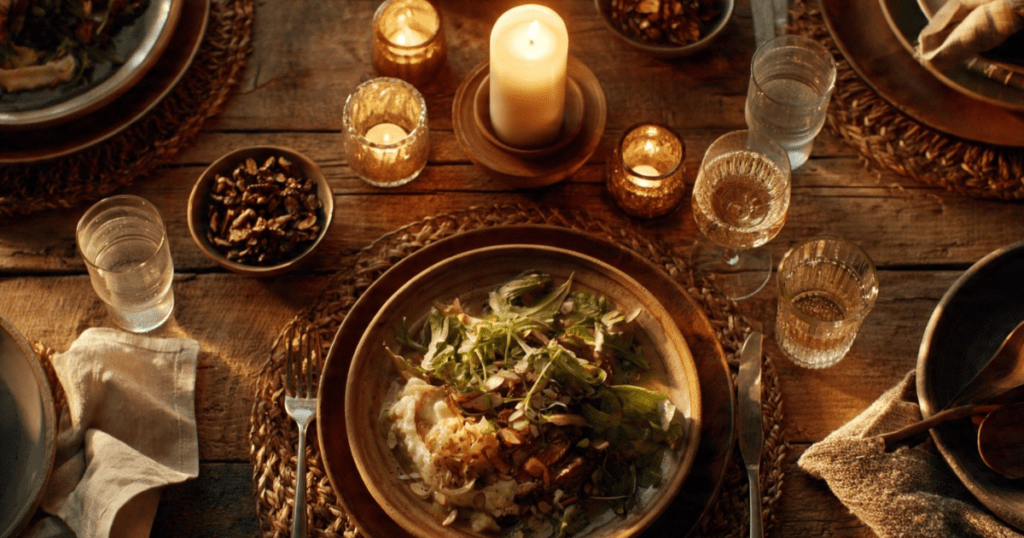
You don't need a fancy tablecloth or candles every night (unless you want them!). But what about putting your food on a real plate instead of eating directly from the container? Using a cloth napkin? Sitting at a table instead of the couch?
These small acts elevate the meal from mere refueling to a conscious experience. They signal to your brain that this moment is important, it’s worth savoring.
The Art of the Chew
This might sound a little silly, but it’s incredibly effective. How many times do you truly chew your food before swallowing? Often, probably not as much as you think.
Try to consciously chew each bite a few extra times. It slows you down naturally, aids digestion, and allows you to taste the food more fully. It’s a simple, immediate way to bring more mindfulness to your eating.
Embracing the Journey, Not Just the Destination
This journey towards slower, more mindful eating isn't about achieving some perfect ideal. It's about personal growth, about learning to listen to ourselves, and about finding little pockets of peace and joy in our everyday lives.
It's about letting go of the pressure to be perfect and embracing the richness of real life. It’s about recognizing that our relationship with food is a reflection of our relationship with ourselves and with the world around us.
So, my dear friend, as you go about your wonderfully busy life, I invite you to consider this: perhaps the best thing you can do for your well-being, for your relationships, and for your overall sense of purpose and gratitude, is to simply slow down at mealtime.
It's not just about eating; it’s about living. It's about savoring the moments, one delicious, mindful bite at a time. And trust me, you are absolutely worth every single one of those moments. Now, let’s go grab another refill, shall we?