You know, sometimes I feel like we get so caught up in the ‘shoulds’ and ‘shouldn’ts’ of food, don’t we? It’s like a constant internal monologue, judging every bite. But honestly, I’ve been doing a lot of thinking about this lately, over countless cups of coffee (and a few nibbles, of course!), and I’ve come to realize how much it steals from the joy of eating. The idea of “good” and “bad” foods? It’s honestly a bit of a trap, a recipe for unnecessary stress and guilt. What if we could just… eat? And enjoy it?
Let’s Ditch the Labels, Shall We?
Imagine sitting down to a meal, and instead of that familiar whisper of “Is this good for me?” or “Oh no, I shouldn't have this,” you just… taste. You feel the textures, savor the aromas, and appreciate the nourishment it’s providing. It’s a beautiful thought, a delicious possibility. This whole “good” versus “bad” food mentality is really not serving us. It creates a sense of moral superiority or failure around what we eat. And let’s be honest, who needs that kind of judgment in their life, especially when it comes to something as fundamental and enjoyable as food? We're not on a diet; we're just living, and life is meant to be savored.
In exploring the concept of food labeling, you might find it insightful to read the article on “The Impact of Food Labels on Our Eating Habits,” which delves into how categorizing foods as good or bad can influence our relationship with food. This article complements the discussion on how to stop labeling foods by providing a deeper understanding of the psychological effects of these labels.
The Weight of “Good” and “Bad”
Think about it. When we label foods as “good,” we often associate them with virtue. Eating a salad makes us feel righteous. And when we label foods as “bad,” well, that’s when the guilt sets in. A cookie isn't just a cookie; it’s a transgression, a sign of weakness. This binary thinking creates such an unhealthy relationship with food. It can lead to cycles of restriction and overeating, where you deprive yourself of something you truly desire, only to binge on it later when the willpower inevitably cracks. And then comes the shame, the self-recrimination. It’s exhausting!
It’s like wearing a weight around your neck every time you choose a certain ingredient. This isn't about what’s technically “healthy” on paper; it's about our mental and emotional experience around food. Our plates should be sources of comfort and delight, not battlegrounds for good versus evil.
When We See Food as Morality
This moralizing of food is deeply ingrained in our culture. We talk about “cheating” on diets, about “sinful” desserts. This language subtly teaches us that certain foods are inherently undesirable, and consuming them is a moral failing.
The Rise of the “Health Halo”
Conversely, we fall prey to the “health halo” effect. Foods presented as “healthy” are sometimes seen as having a free pass, allowing us to overconsume them without consequence. This isn’t about mindful balance; it’s just another set of labels dictating our choices.
Reclaiming Our Plates: The Power of Neutrality
So, what’s the alternative? It’s about adopting what I like to call “food neutrality.” This doesn't mean we ignore how food makes us feel or if it fuels our bodies well. Far from it! It's about removing the judgment, the black-and-white thinking, and embracing a more nuanced, compassionate approach. It’s about seeing food as fuel, as enjoyment, as connection, and as a part of life, rather than as a scorecard.
When we stop labeling, we open ourselves up to so many wonderful possibilities. We can appreciate the rich, creamy texture of a perfectly ripe avocado without a second thought. We can enjoy the comforting sweetness of a piece of dark chocolate after a long day, simply because it brings us pleasure. This is where the real magic happens.
Shifting Our Language, Shifting Our Thoughts
Our words have power. By consciously choosing neutral language, we can begin to shift our internal narrative. Instead of “I shouldn't eat that,” try “I'm choosing to eat this right now.” The subtle change in phrasing can make a world of difference to your mindset.
Embracing the Spectrum of Nourishment
Food provides different things for our bodies and souls. Some foods offer pure energy, others offer comfort, and some simply offer joy. None of these offerings are inherently “bad.” They just serve different purposes at different times.
Finding Joy in Every Bite: Mindful Eating Practices
This is where mindful eating truly shines. It's not about restriction; it's about presence. When you're mindful, you’re fully engaged with your food. You’re not just shoveling it in while scrolling through your phone or worrying about your to-do list. You're actually there, with your meal.
The Sensory Experience of Food
Close your eyes for a moment and think about your favorite meal. What do you see? The vibrant colors? What do you smell? The tantalizing aromas? What do you feel? The textures – soft, crunchy, smooth, chewy? And of course, what do you taste? The sweet, the savory, the tangy, the bitter? Mindful eating encourages us to engage all our senses. It’s about truly appreciating the complete experience of eating. It’s not just about sustenance; it’s about pleasure, connection, and a deeper appreciation for where our food comes from.
What Your Body is Truly Asking For
Mindful eating also helps us tune into our body's signals. Are you truly hungry? Or are you bored, stressed, or craving comfort? When we listen to our bodies, without judgment, we can make choices that truly nourish us, both physically and emotionally. This isn't about following a rigid set of rules, but about developing a deep inner wisdom.
This practice is transformative. It’s about creating a peaceful relationship with your food, one that’s built on trust and respect, not fear and judgment. It’s about savoring the everyday moments, like a warm bowl of soup on a chilly evening, or the simple crunch of an apple. These moments, when experienced fully, are the threads that weave a beautiful tapestry of a well-lived life.
Savoring the “Sometimes” Foods
Even foods that might be considered less nutrient-dense can be enjoyed mindfully. That decadent slice of cake at a birthday celebration? Taste every single bite. Notice the frosting melting on your tongue, the sweetness, the rich chocolate flavor. It’s about appreciating these moments for what they are, without guilt.
Meal as Meditation
Think of your mealtime as a brief meditation. A few minutes to step away from the chaos of the day and connect with yourself and your food. This quiet space can be incredibly restorative.
In the journey towards a healthier relationship with food, it's essential to explore various perspectives on nutrition and eating habits. One insightful article that complements the discussion on how to stop labeling foods as good or bad can be found at Nosh Niche. This resource offers a variety of recipes that promote balanced eating without the constraints of strict dietary labels, encouraging individuals to embrace a more intuitive approach to their meals.
Building a Balanced and Fulfilling Relationship with Food
For me, this journey has been about finding balance that feels good, not just looks good on paper. It’s about embracing the idea that all foods can fit into a nourishing life. It’s about ditching the all-or-nothing mentality and realizing that a truly healthy relationship with food is one that’s flexible, compassionate, and deeply enjoyable.
The “All Foods Fit” Philosophy
This doesn't mean we can eat unlimited amounts of anything without consequence. It means that any food can be part of a healthy lifestyle, provided we’re listening to our bodies and making conscious choices most of the time. It removes the “forbidden fruit” allure that often leads to overconsumption.
Progress, Not Perfection
There will be days when you eat things that you might have once labeled “bad.” And that's okay! True progress is about learning to navigate those moments with self-compassion, rather than succumbing to guilt. One meal doesn't define your entire relationship with food.
This is about creating a sustainable way of living, one where you feel good in your body and genuinely enjoy the food you eat. It’s about freedom from the constant mental gymnastics around food choices. It’s about creating space for joy, for pleasure, and for simply being.
Food as Connection and Celebration
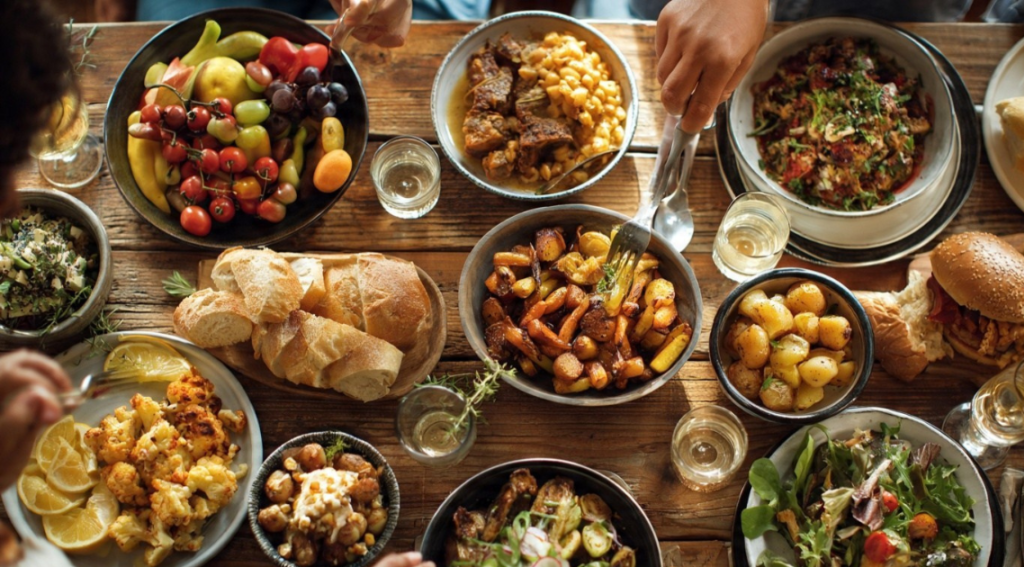
Beyond personal enjoyment, food is a powerful connector. Think about family dinners, holiday feasts, or sharing a meal with friends. These are often our most cherished memories, moments woven with laughter, stories, and the warmth of togetherness. When we judge our food, we risk diminishing these precious connections.
Family Traditions and Food Memories
Our families pass down not just recipes, but also cherished memories. The aroma of Grandma’s cookies baking, the chaos of making pierogi with aunts and uncles, the comforting simplicity of Mom’s Sunday roast. These aren’t just meals; they are anchors to our past, threads that tie us to our loved ones. When we embrace food without guilt, we can fully immerse ourselves in these traditions and create new, equally meaningful ones.
Celebrating Life's Moments with Food
From birthdays to anniversaries, from small victories to quiet evenings in, food plays a central role in how we mark and celebrate life. Allowing ourselves to enjoy these moments fully, without the shadow of food guilt, makes them all the more special. It’s about using food to enhance our experiences, not detract from them.
This is about recognizing that food is not just fuel; it's culture, it's love, it's history. It's a way of expressing ourselves and connecting with others. Letting go of the good/bad labels allows us to fully embrace these beautiful dimensions of food.
Sharing Food, Sharing Love
The act of preparing and sharing food is an ancient form of love and care. When we approach it with joy and generosity, we foster deeper connections with those around us.
Cultivating Gratitude and Intentionality
When we release the labels, we can begin to cultivate a deeper sense of gratitude for the food we have. We can become more intentional about our choices, not out of obligation or fear, but out of a genuine desire to nourish ourselves and our loved ones.
Appreciating the Journey of Food
Every ingredient has a story – from where it was grown to how it was prepared. Taking a moment to appreciate this journey before you eat can foster a profound sense of gratitude. It reminds us of the incredible farmers, the thoughtful chefs, and the natural world that provides our sustenance.
Making Conscious, Not Restrictive, Choices
Intentionality is about mindful decision-making. It's asking yourself, “What do I truly want to eat right now that will make me feel good, satisfied, and energized?” It's about aligning your food choices with your values – whether that's sustainability, supporting local producers, or simply enjoying a specific flavor profile.
This shift from restriction to intention is liberating. It empowers you to make choices that feel authentic and right for you, in this moment, without external judgment. It’s about nurturing yourself from the inside out, with appreciation and awareness.
The Gift of Simple Pleasures
Sometimes, great food doesn't have to be complicated or extravagant. A perfectly ripe piece of fruit, a warm mug of herbal tea, a simple sandwich made with love – these are all simple pleasures that can be deeply satisfying when approached with gratitude and mindfulness.
Embracing Food Freedom for a Fuller Life
Ultimately, letting go of the “good” and “bad” food labels is about embracing food freedom. It’s about releasing ourselves from the oppressive power of guilt and restriction, and stepping into a space of joy, nourishment, and trust. This freedom allows us to focus on what truly matters: nurturing our bodies, connecting with loved ones, and creating a life filled with purpose, gratitude, and meaningful moments.
Food is meant to be enjoyed. It’s meant to be a source of pleasure, comfort, and connection. When we stop judging ourselves and our food, we can finally unlock the full potential of what meals can offer us – both on our plates and in our lives. This isn't about abandoning healthy habits; it's about redefining what a healthy relationship with food truly looks like. It’s about progress, not perfection, and finding joy in the everyday. And that, my friend, is a truly delicious way to live.
How to Stop Labeling Foods as Good or Bad — Community Discussion
A cookie has never woken up and decided to become morally questionable.
Yet somehow we've managed to assign character traits to food—and then assign those same traits to ourselves for eating it.
I'm working on changing that language.
I can decide that a particular food doesn't fit what I want right now without declaring it “bad.” And if I choose to eat it, that decision doesn't suddenly make me bad either.
What food labels did you grow up hearing? Do words like “good,” “bad,” “cheat,” or “guilty” still influence how you feel about eating? What language could we use instead that describes our choices without judging them?
I'd love to hear how you're rewriting that vocabulary.
Best,
Tiffany
Nosh Niche
Where We Connect Through Food, Life, and Conversation.